Explore the Key Offerings Offered by a Commercial General Contractor for Your Next Project
In the world of development, a general contractor plays a pivotal role in making the project succeed. Their support covers extensive project management, budgeting, and managing diverse parties. This knowledge base does more than smooth execution but also addresses compliance and guaranteed quality - Hickory top rated Commercial General Contractor. Understanding these essential services can notably impact the success of your venture. What specific benefits can a construction manager offer your next construction job?
Thorough Project Oversight
Thorough project management is necessary for the smooth completion of construction projects. It necessitates a structured approach that covers planning, coordination, and control of a project from beginning to end. A commercial general contractor plays a pivotal role in this process, making certain that all aspects of the project match up with the client's vision and regulatory requirements.
Successful project oversight means establishing project scopes, timelines, and expected outcomes while keeping lines of communication open among stakeholders. The contractor manages sub-trades, oversees assets, and oversees quality assurance to ensure the project adheres to established specifications. Furthermore, a thorough project strategy utilizes risk management techniques to identify potential challenges early and formulate backup strategies.
Finally, thorough project management promotes teamwork, simplifies operations, and boosts the probability of finishing a job on time and within budget and scope, consequently boosting client satisfaction and a good result.
Budgeting and Cost Control
Successful project oversight requires the need for strict financial planning and financial oversight. A construction manager is essential in establishing a clear financial framework for a project. This requires precise cost analysis based on project specifications, labor, materials, and machinery. By spotting monetary risks promptly, the contractor can execute methods to address these problems, ensuring that the project does not exceed the allocated practical tips funds.
Additionally, ongoing tracking of spending throughout the project lifecycle is essential. The firm leverages specific processes to monitor expenditures versus the budget, facilitating timely changes where required. This disciplined process is key to preventing cost overruns but also enhances financial accountability across all involved parties. Ultimately, effective budgeting and cost control create a clear fiscal atmosphere, enabling well-grounded decisions and resource allocation, a factor essential for the successful delivery of all construction work.
Orchestrating Subcontractor and Supplier Activities
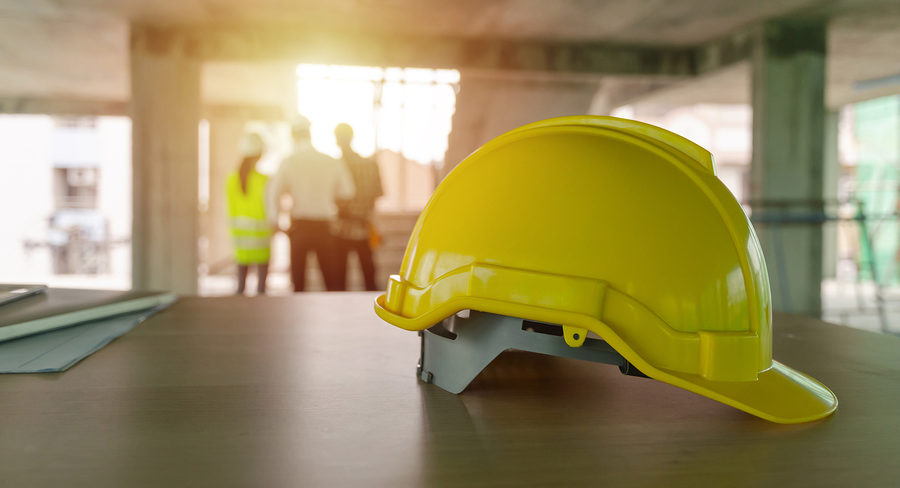
While managing a construction project, the coordination of subcontractors and suppliers is crucial for ensuring smooth operations and adhering to schedules. A commercial general contractor takes a central position in coordinating these interactions, ensuring that all parties are aligned with the timeline and expected outcomes. Clear communication among subcontractors, suppliers, and the general contractor is crucial for reducing delays and prevent costly misunderstandings.
The contractor manages the planning of subcontractor work sequences, thereby streamlining workflow and improve the distribution of resources. Additionally, they manage the procurement of materials from suppliers, ensuring that necessary resources are delivered on time and within budget. By overseeing these important interactions, the general contractor can swiftly address any issues that arise, leading to a more seamless construction process. In the end, this concerted effort not only enhances project efficiency but also is key to the successful outcome of the construction endeavor, guaranteeing a flawless assembly of all parts.
Meeting Building Codes and Regulatory Standards
Adhering to building codes and regulatory standards is a primary obligation of a commercial general contractor, because ignoring these standards can lead to significant legal and financial repercussions. A commercial general contractor is required to deeply understand of federal, state, and local laws that govern building projects. This knowledge allows them to manage complicated regulatory systems, making certain every facet of the project—from concept to build-out—comply with necessary standards.
Moreover, contractors typically partner with engineers, architects, and governing agencies to verify that plans and specifications align with code requirements. By performing frequent checks and evaluations, they can identify potential compliance issues early, mitigating risks and avoiding costly delays. Crucially, prioritizing regulatory adherence does more than just protect the GC's standing but also secures the client's best interests, making sure projects finish successfully and without unnecessary complications.
Safety Oversight and Quality Control
Quality assurance and safety oversight are critical components of a commercial general contractor's role, directly impacting the success and integrity of construction projects. These elements guarantee that all work meets established standards
A professional builder implements rigorous inspection processes to verify that materials and workmanship match up with project specifications - Hickory top rated Commercial General Contractor. Frequent site inspections are performed to spot potential dangers and ensure safety compliance among workers. This forward-thinking strategy shields employees but also stops costly interruptions and rework due to safety incidents or quality issues
In addition, clear communication between the contractor, subcontractors, and suppliers is vital for maintaining high standards throughout the project lifecycle. By focusing on quality control and safety oversight, a commercial general contractor promotes a sense of ownership, ultimately contributing to the successful completion of projects on time and under budget
Questions and Answers
What Types of Projects Can a Commercial General Contractor Handle?
A commercial general contractor can handle various projects, including business centers, retail spaces, warehouses, industrial facilities, remodeling jobs, and new constructions. They oversee the whole operation, making sure quality is maintained, compliance, and on-time delivery of each project.
How Do I Choose the Right Commercial General Contractor?

To pick the best commercial general contractor, one should review their expertise, ask for testimonials, determine fiscal robustness, compare project portfolios, and guarantee clear communication. A careful vetting process can lead to successful project outcomes.
What Can I Anticipate During the Initial Consultation?
During the initial consultation, clients can expect discussions about desired outcomes, timelines, financial forecasts, and the contractor's abilities. This meeting acts as a basis for building common ground and matching expectations between the client and contractor.
How Do Builders Handle Project Timelines Effectively?
Contractors efficiently handle project timelines by employing meticulous plans, defining key checkpoints, synchronizing calendars, and keeping communication flowing with all stakeholders. They also reallocate resources as required to mitigate delays and mitigate potential delays.
What Advantages Come From Employing a General Contractor Versus DIY?
Working with a general contractor furnishes expertise, project management, and access to a network of vetted specialists. This guarantees superior craftsmanship, timely completion, and meeting all legal requirements, thereby minimizing the burden and expensive errors versus doing it yourself.